
Why Civilians Need Self-Defense Training in 2026

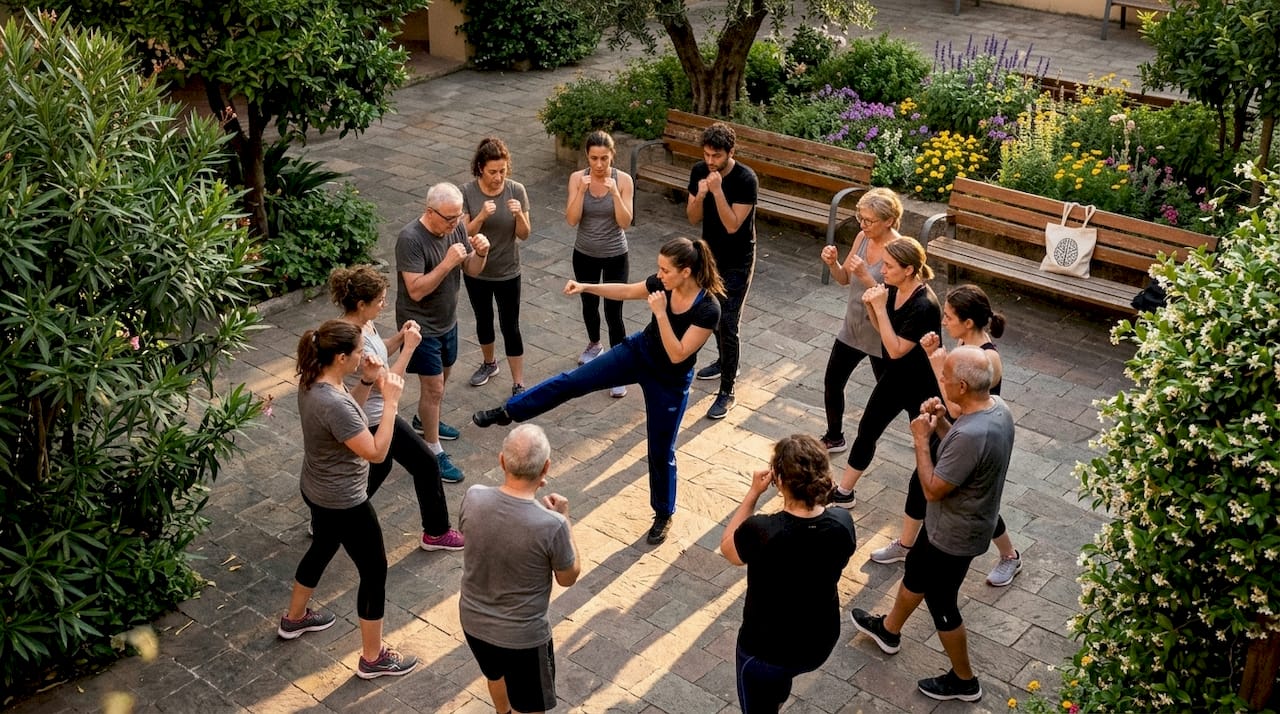
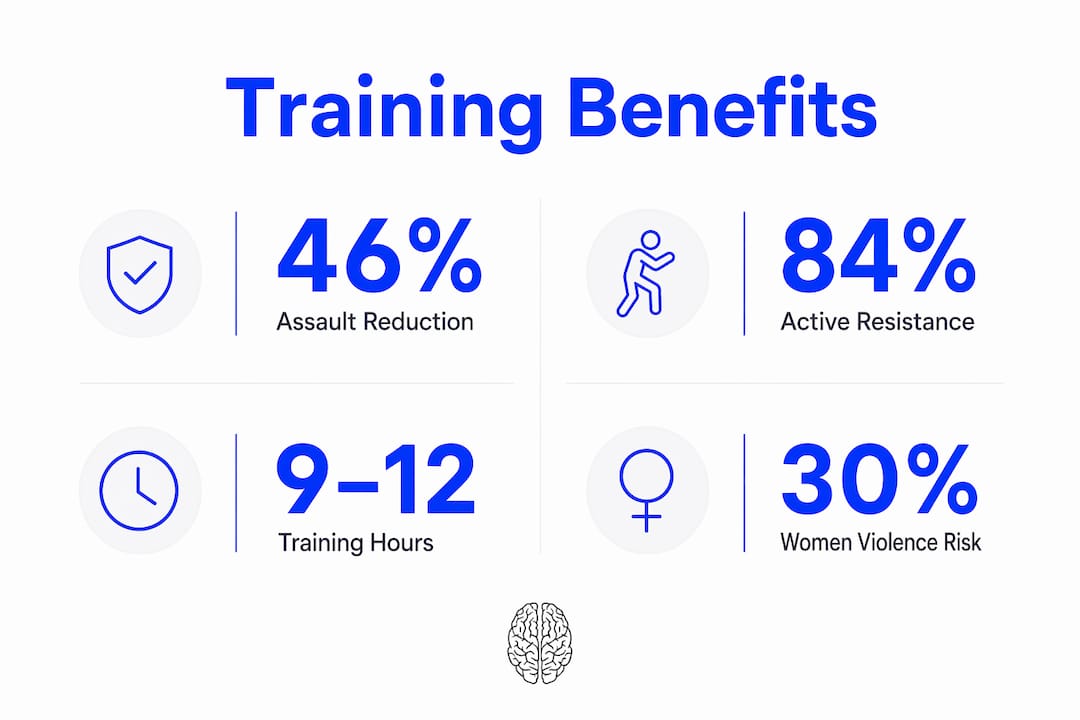
Self-defense training is defined as a structured program that combines situational awareness, verbal de-escalation, and physical techniques to help civilians recognize, avoid, and respond to threats. Why civilians need self-defense training becomes clear when you look at the numbers: empowerment-based programs reduce completed sexual assault by approximately 46% and attempted assault by about 63%. The justice system offers little backup. The probability of conviction after an assault is roughly 1 in 600. Personal prevention is not optional. It is the most reliable line of defense available to any civilian.
Why civilians need self-defense training: the core case
Self-defense training gives civilians a measurable advantage before, during, and after a threatening situation. It is not a niche skill for athletes or law enforcement. Programs with as little as 9–12 hours of structured training have shown effectiveness across participants aged 18 to 77, proving that this education is accessible to nearly everyone.
Three in ten women globally face violence in their lifetimes. That figure reflects a reality that no amount of caution alone can fully address. Awareness, preparation, and practiced response skills change the outcome of dangerous situations in ways that passive avoidance cannot.

The standard industry term for this field is personal protection training, though “self-defense training” remains the most widely used label in civilian education. CVPSD, a 501©(3) nonprofit, delivers this training through evidence-based curricula that meet state and local laws. Their programs serve schools, community groups, government agencies, and private organizations across the country.
What skills does civilian self-defense training actually teach?
Effective self-defense training covers far more than physical combat. Real self-defense integrates situational awareness, verbal communication, confidence, and physical skills as one connected system. Each layer builds on the last.
The core skill areas include:
Situational awareness. Civilians learn to read environments, identify exits, recognize pre-attack behavior, and notice when something feels wrong before a threat becomes physical.
Verbal de-escalation and boundary-setting. Assertive communication stops many confrontations before they escalate. Training teaches civilians to project calm authority and set clear limits without aggression.
Physical techniques for real-world scenarios. Techniques are selected for practicality, not sport. They account for different body types, strength levels, and unpredictable environments like parking lots or public transit.
Stress response management. The fight-or-flight response impairs decision-making. Training conditions the nervous system to stay functional under pressure, so practiced responses activate even when adrenaline spikes.
Pro Tip: Practice verbal boundary-setting out loud, not just in your head. The physical act of speaking assertively under simulated stress is what makes the skill transfer to real situations.
Good training also reduces risk recognition delay and increases assertiveness in ambiguous situations. That means civilians act sooner, with more clarity, rather than freezing while trying to assess whether a threat is real.
How does training reduce risk and improve outcomes?
The evidence on resistance is direct and consistent. Physical resistance deters attackers in approximately 68% of cases with mild resistance, and in over 84% of cases with decisive resistance. In 95% of cases, active resistance was successful with less than 1% escalation of violence. That data dismantles the common fear that fighting back makes things worse.
“Self-defense is about options and confidence rather than fighting. De-escalation and exit are the primary goals, with physical engagement as a last resort. Training gives civilians the ability to choose the right response at the right moment.”
Confidence built through training also changes how a person carries themselves. Confidence changes body language and posture in ways that lower perceived vulnerability. Attackers select targets based on perceived ease. A person who moves with awareness and presence is less likely to be chosen.
Structured training also provides legal benefits. Documented participation in a certified program demonstrates disciplined use of force rather than aggression, which matters if a self-defense incident ever reaches a legal proceeding. Training creates a record of intent and proportionality.
Outcome | What the evidence shows |
Completed assault reduction | Approximately 46% reduction with empowerment-based programs |
Attempted assault reduction | Approximately 63% reduction with 9–12 hours of training |
Mild resistance deterrence | Attackers deterred in approximately 68% of cases |
Decisive resistance deterrence | Attackers deterred in over 84% of cases |
Violence escalation risk | Less than 1% of cases where active resistance was used |
What misconceptions stop civilians from training?
The biggest barrier to self-defense training is not cost or access. It is a set of persistent myths that make training feel unnecessary or out of reach.
“I’m not a fighter, so training isn’t for me.” Self-defense training is not about becoming a fighter. It is about having options. De-escalation, boundary-setting, and awareness are the primary tools. Physical techniques are the last resort.
“Resisting will make things worse.” The data says otherwise. Active resistance succeeds in the vast majority of cases and rarely escalates violence. Passivity does not guarantee safety.
“I’m too old or not fit enough.” Programs effective across ages 18 to 77 prove that fitness level is not a prerequisite. Techniques are adapted to the individual, not the other way around.
“One class is enough.” A single session builds awareness but not conditioned response. Consistent practice over time is what makes skills reliable under stress.
Pro Tip: When searching for self-defense classes near you, look for programs that include verbal skills and scenario-based practice, not just physical drills. That combination produces the most durable results.
Training does not promise invincibility. It offers a realistic increase in options, awareness, and confidence. That is a meaningful and achievable goal for any civilian, regardless of background or physical ability. CVPSD’s reality-based workshops are built on exactly this principle.
How can civilians apply self-defense skills in daily life?
Self-defense skills are not reserved for emergencies. They apply to ordinary situations every day. Here is how trained civilians use these skills across common environments:
Parking lots and garages. Trained civilians scan the area before exiting a vehicle, note who is nearby, and walk with purpose. They avoid looking at their phones while moving through low-visibility spaces.
Public transportation. Awareness of exits, seating position relative to other passengers, and early recognition of escalating behavior all reduce risk on buses, trains, and platforms.
Social settings. Verbal boundary-setting applies directly to situations involving unwanted contact, coercion, or intimidation. Training gives civilians the language and confidence to respond without hesitation.
Everyday route choices. Trained individuals make deliberate decisions about when and where they travel, choosing well-lit routes and avoiding isolated areas, especially at night.
Personal boundary assertion. Whether at work, at home, or in public, the ability to communicate limits clearly and calmly is a direct product of self-defense training. It prevents many situations from escalating at all.
The benefits of self-defense classes extend well beyond physical safety. Civilians who train consistently report greater confidence in unfamiliar environments, reduced anxiety in public spaces, and a stronger sense of personal agency. These are not side effects. They are core outcomes of quality training.
CVPSD’s nationwide training network makes these outcomes accessible to communities across the country, including schools, nonprofits, and government agencies.
Key Takeaways
Self-defense training is the most evidence-backed personal safety investment a civilian can make, reducing assault risk, building confidence, and providing legal protection that passive avoidance cannot offer.
Point | Details |
Evidence-backed risk reduction | Empowerment programs cut completed assault by 46% and attempted assault by 63%. |
Resistance works | Active resistance deters attackers in over 84% of cases with less than 1% violence escalation. |
Training covers more than fighting | Situational awareness, verbal de-escalation, and stress management are the primary skills taught. |
Accessible to everyone | Programs show effectiveness across ages 18 to 77, regardless of fitness level. |
Legal and psychological benefits | Certified training documents disciplined use of force and builds lasting confidence. |
Self-defense training changed how I see safety, not just threats
Most people think about self-defense training the way they think about insurance. They want it available but hope to never use it. What I have observed, working alongside instructors and program participants over many years, is that the real value shows up long before any threatening situation occurs.
The civilians who train consistently do not walk around looking for trouble. They walk around looking at their environment. That shift in attention is quiet, but it is profound. They notice the person who has been standing in the same spot for too long. They choose the seat near the exit. They speak up when something feels wrong, instead of talking themselves out of the discomfort.
What concerns me about the current conversation around personal safety is how much emphasis falls on what to do after something happens. The low conviction rates in assault cases make clear that the justice system is not a reliable safety net. Waiting for legal redress after the fact is not a plan. Training before the fact is.
The mindset shift that comes from good training is not aggression. It is clarity. Trained civilians know they have options. That knowledge alone changes how they carry themselves, and that change is visible to the people around them, including the people who might otherwise see them as easy targets. Will
CVPSD self-defense programs for civilians
CVPSD offers structured self-defense training designed for civilians of all ages, fitness levels, and backgrounds. Programs combine Crisis Intervention Techniques, De-escalation Solutions, and physical self-defense skills into a curriculum grounded in real-world scenarios.
Whether you are looking for individual training, a community workshop, or a program for your organization, CVPSD has options that meet you where you are. Specialized programs include women’s self-defense training and community-based workshops built around the specific risks civilians face every day. Every program meets state and local laws and is delivered by trained instructors with deep experience in violence prevention. Visit CVPSD’s training programs to find the right option for your situation.
FAQ
What is civilian self-defense training?
Civilian self-defense training is a structured program that teaches situational awareness, verbal de-escalation, and physical techniques to help ordinary people recognize and respond to threats. It is designed for all ages and fitness levels, not just athletes or law enforcement.
Does resisting an attacker make the situation more dangerous?
Active resistance deters attackers in over 84% of cases with decisive action, and violence escalates in less than 1% of cases where resistance is used. The evidence consistently shows that resistance improves outcomes, not worsens them.
How many hours of training does a civilian need?
Programs with 9–12 hours of structured training have demonstrated significant reductions in assault risk across a wide age range. Consistent practice over time produces more reliable results than a single session.
Why do women specifically benefit from self-defense training?
Three in ten women globally face violence in their lifetimes, making proactive training a direct response to a documented risk. Empowerment-based programs reduce completed sexual assault by approximately 46% and build confidence that changes how women are perceived by potential attackers.
Can self-defense training help in a legal situation after an incident?
Yes. Certified training provides documented proof of disciplined use of force, which supports a legal defense by showing proportionality and intent rather than aggression.
Recommended


