
Why Self-Defense Skills Degrade Over Time

Updated: Jul 9
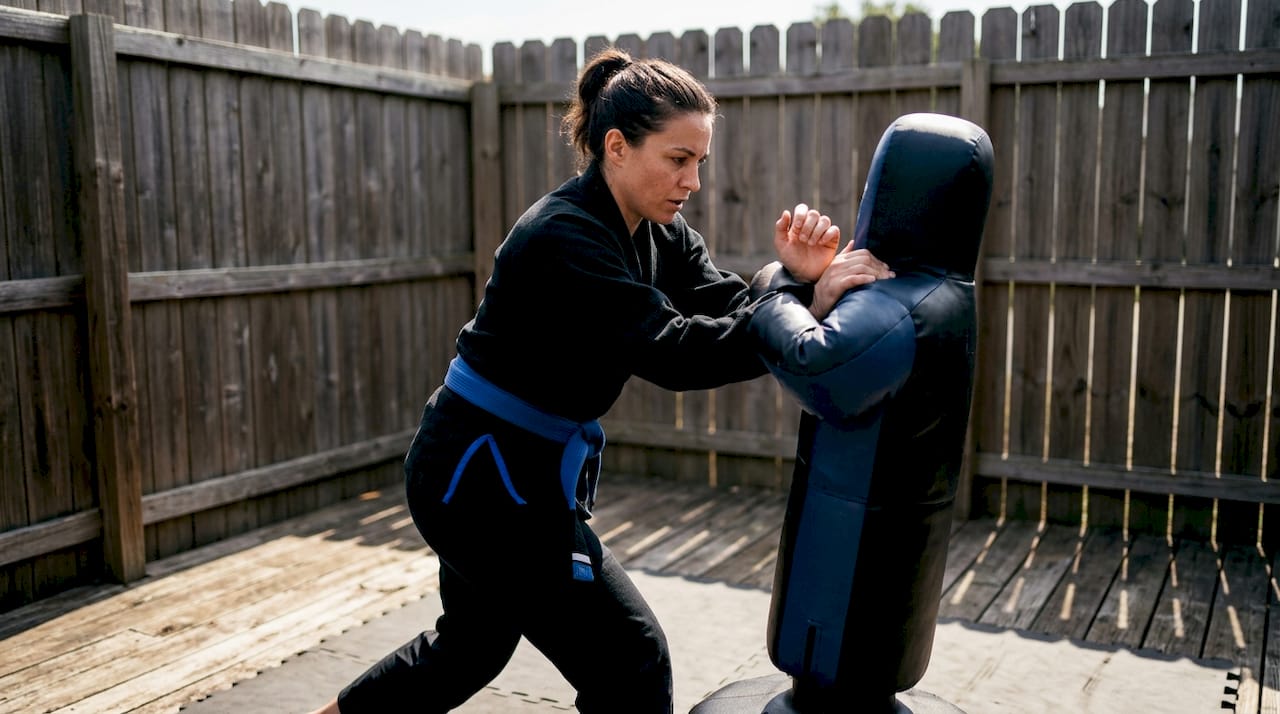
Self-defense skill decay is a natural neurological process where defensive abilities deteriorate rapidly without consistent, realistic, and stress-conditioned practice. Understanding why self-defense skills degrade over time is the first step toward doing something about it. The core causes are three: neural pathway erosion from insufficient repetition, the absence of realistic resistance in training, and the brain’s failure to retain techniques that have never been tested under genuine stress. Practitioners who train sporadically or rely on seminar-style instruction often discover their skills are unavailable precisely when they need them most.
Why self-defense skills degrade over time: the neurological foundation
Self-defense skills are perishable. The motor patterns that make a defensive technique automatic are stored in neural pathways that weaken without repeated activation. Think of those pathways like a trail through tall grass. Walk it daily and it stays clear. Ignore it for weeks and it disappears.
The industry term for the process of building reliable automatic responses is automaticity. Automaticity develops when a motor skill is practiced so frequently that it no longer requires conscious thought. Without it, a practitioner under threat must think through each movement. That thinking takes time the body does not have.
Skills start degrading within weeks without consistent practice. That rate of decay means a practitioner who trains once a month is effectively starting over each session rather than building on prior work. The brain treats infrequently used motor programs as low priority and reallocates those neural resources elsewhere.
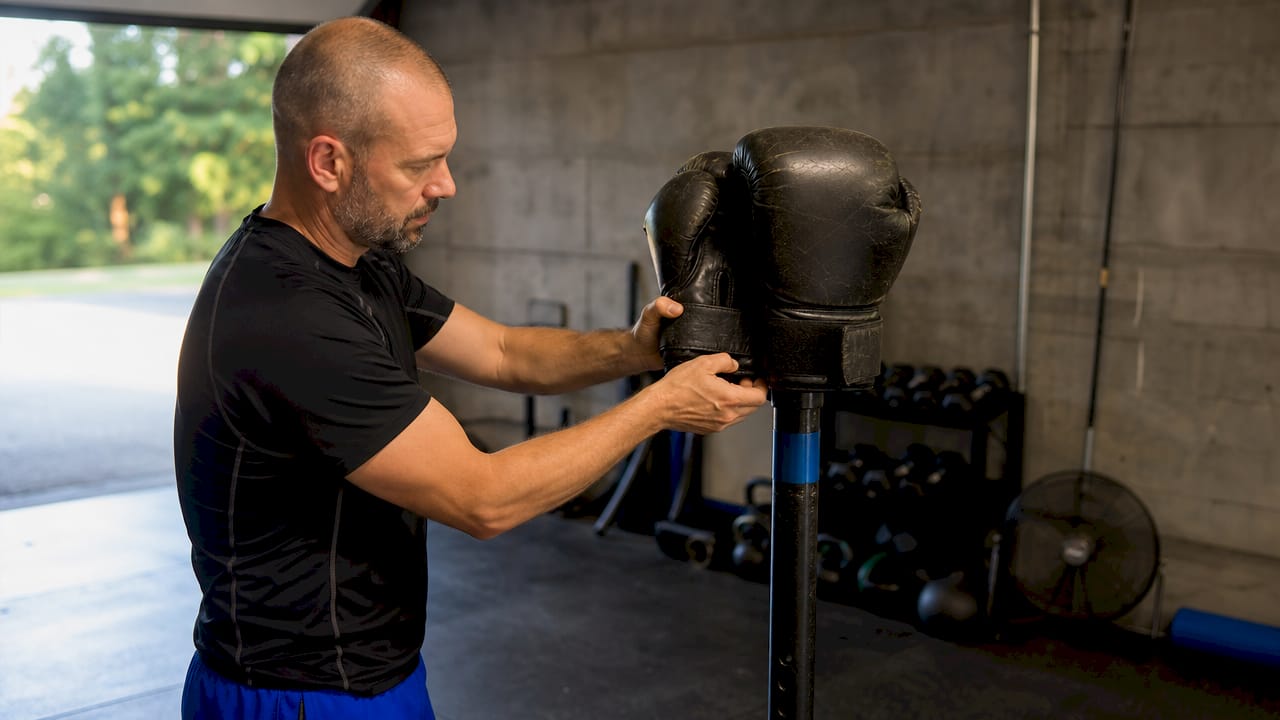
How does training frequency affect self-defense skill retention?
Training frequency is the single most controllable factor in preventing self-defense skill loss. Research shows 2–3 sessions weekly build the default defensive actions that appear automatically under high stress. Once-weekly training produces measurable improvement in the short term but fails to sustain automaticity over months.
The contrast between seminar-based training and a consistent weekly schedule is stark. A weekend seminar delivers emotional intensity and exposure to new techniques. Neither of those outcomes produces durable skill. Emotional intensity fades within days. New techniques without repetition never reach the automaticity threshold.
Daily shadow practice: Spend 10–15 minutes rehearsing core techniques without a partner. Repetition volume matters more than session length.
Structured partner drills: At least two sessions per week with a training partner who provides light resistance and feedback.
Scenario review: Once weekly, mentally walk through a realistic threat scenario and identify which trained responses apply.
Progress tracking: Log sessions and note which techniques feel automatic versus which still require conscious thought.
Pro Tip: Design your weekly schedule around minimum effective dose. Three focused 45-minute sessions outperform one exhausting three-hour session every time.
Professional instruction reinforces this principle across safety disciplines. Quality repetition with a qualified instructor who corrects errors is far more productive than high-volume solo drilling of flawed technique.
Does realistic resistance make self-defense training more effective?
Calm, cooperative practice does not prepare the body for real violence. Training without realistic resistance fails to translate to real-world performance because actual attackers are unpredictable, resistant, and often larger. A practitioner who has only rehearsed techniques on a compliant partner has never actually tested whether those techniques work.
The gap between rehearsal and training under pressure creates false confidence. False confidence is more dangerous than acknowledged ignorance because it causes practitioners to hesitate at the worst possible moment. They expect the technique to work the way it did in class. When it does not, they freeze.
Progressive resistance solves this problem systematically:
Light resistance drills: A partner resists at 30–40% intensity, forcing the practitioner to adapt and problem-solve.
Fatigue simulation: Train techniques after a brief cardiovascular burst to replicate the physical state of a real encounter.
Unpredictability drills: A partner varies timing and angle without warning, building adaptability rather than pattern recognition.
Scenario-based sparring: Full-context role-play with protective gear, where the practitioner must identify the threat, decide to act, and execute under pressure.
Pro Tip: Incorporate reality-based workshops into your training rotation at least once per quarter. Scenario pressure reveals gaps that cooperative drilling hides.
How does stress physiology cause self-defense performance to decline?
Stress does not enhance performance. Under extreme stress, people fall to the level of their most practiced training rather than rising to the occasion. This is not a motivational claim. It is a physiological fact with direct consequences for how practitioners train.
When heart rate spikes above 145 BPM during a violent encounter, the body enters a survival state that degrades fine motor control, narrows vision, and reduces hearing. Techniques that require precise grip adjustments, complex footwork, or sequential decision-making become unreliable. Only deeply conditioned responses remain accessible.
Adrenaline-induced tunnel vision causes rapid forgetting of unpracticed techniques. A practitioner who learned a wrist release at a seminar six months ago and never drilled it again will not recall it under threat. The brain, flooded with stress hormones, retrieves only the most reinforced motor programs.
Condition | Skill availability | Decision speed | Fine motor control |
Calm, rested state | High | Deliberate | Full |
Moderate stress (elevated heart rate) | Moderate | Faster but narrowed | Reduced |
High stress (above 145 BPM) | Low, conditioned only | Reactive, limited | Severely impaired |
Extreme stress (fight or flight peak) | Conditioned responses only | Automatic or frozen | Near absent |
Emotional conditioning during training addresses this directly. Practitioners who regularly train under manufactured stress, such as timed drills, verbal pressure from instructors, or scenario role-play, build familiarity with the stress state itself. That familiarity reduces the performance gap between calm practice and real encounters.
What training mistakes accelerate self-defense skill loss?
Poor training design accelerates skill decay faster than simple inactivity. Technique overload causes hesitation and analysis paralysis, which impairs survival responses under pressure. A practitioner who has learned forty techniques but mastered none is worse off than one who has mastered five.
Common mistakes that speed up skill deterioration include:
Complexity without foundation: Teaching advanced techniques before basic ones are automatic creates confusion under stress.
Ignoring legal context: Practitioners who train physical responses without understanding legal decision-making under pressure hesitate at the moment of action, which is often more dangerous than acting.
Training extremes: Drills that are too easy produce false confidence. Drills that are too hard without proper progression produce panic responses rather than trained ones.
No feedback loops: Practicing without correction embeds errors. Flawed technique repeated thousands of times becomes a flawed automatic response.
Skipping low-intensity repetition: High-intensity sessions feel productive but do not replace the volume of low-intensity repetition needed to build automaticity.
Most self-defense classes fail because they ignore progressive resistance, pressure testing, and structured progression. Recognizing these gaps in your own training is the first step toward correcting them.
How can practitioners slow or prevent self-defense skill degradation?
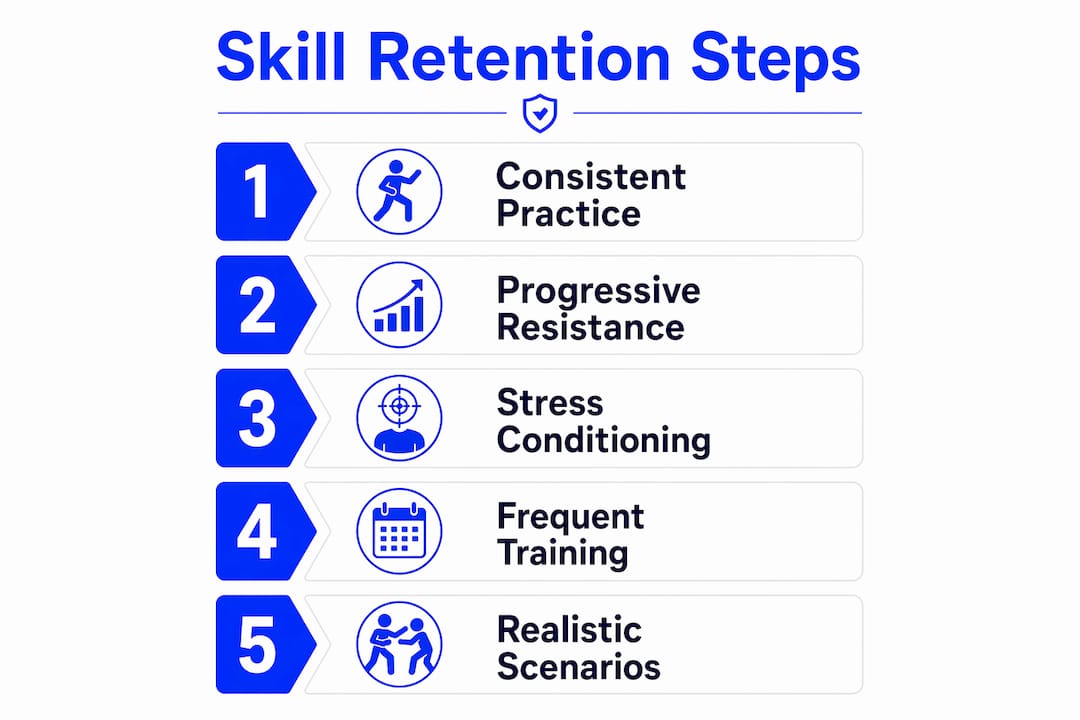
Preventing skill decay requires a structured, long-term commitment to quality practice. Martial arts research indicates approximately 29 hours are needed to bring novices to basic proficiency in offensive and defensive techniques. Maintaining that proficiency requires ongoing investment at a similar rate.
Commit to a consistent schedule. Train at least 2–3 times per week. Consistency matters more than intensity. A practitioner who trains three times weekly for a year outperforms one who trains intensively for a month and stops.
Add progressive resistance. Increase partner resistance gradually over weeks. Resistance builds adaptability and stress tolerance simultaneously.
Use stress exposure training. Introduce controlled stressors, such as time pressure, verbal distraction, or fatigue, during drills to condition the stress response.
Seek qualified instruction with feedback. Consistent skill rehearsal with feedback and progressive challenge builds habits that perform under pressure. An instructor who corrects errors in real time prevents the reinforcement of flawed patterns.
Balance physical conditioning with skill work. Cardiovascular fitness and strength directly support skill execution under stress. A fatigued practitioner loses technique faster than a fit one.
Treat self-defense as a lifelong practice. Skill maintenance is not a phase. It is an ongoing process that adapts as the practitioner ages, changes environments, or faces new threat profiles.
Pro Tip: Review your situational awareness habits alongside your physical skills. Awareness reduces the likelihood of needing physical techniques and keeps your threat-response system engaged.
Key Takeaways
Self-defense skills degrade because neural pathways, stress tolerance, and physical conditioning all require consistent, realistic, and progressive training to remain functional under threat.
Point | Details |
Skills decay within weeks | Without 2–3 weekly sessions, neural pathways for automatic responses weaken rapidly. |
Realistic resistance is non-negotiable | Calm, cooperative drilling builds false confidence and fails under real attacker pressure. |
Stress physiology limits recall | Above 145 BPM, only deeply conditioned responses remain available to the practitioner. |
Technique overload accelerates decay | Mastering five techniques outperforms learning forty techniques without sufficient repetition. |
Consistent feedback prevents error entrenchment | Qualified instruction with correction stops flawed patterns from becoming automatic responses. |
The uncomfortable truth about skill retention I’ve seen practitioners ignore
After years of working in violence prevention and self-defense education, the pattern I see most often is not laziness. It is misplaced confidence. Practitioners attend a weekend seminar, feel the emotional intensity of the experience, and leave believing they have acquired a durable skill. They have not. They have acquired a memory of a skill, which is a very different thing.
The research is clear on this. Brief seminars cannot build reliable stress performance. Confidence must match competence. When it does not, the gap shows up at the worst possible moment. I have spoken with practitioners who trained for years in cooperative environments and were genuinely shocked to discover their techniques failed the first time a partner offered real resistance.
What actually works is unglamorous. It is showing up three times a week, drilling the same five techniques until they feel boring, then adding resistance until they feel hard again. It is asking an instructor to push back on your form even when you think you have it right. The practitioners I have seen maintain real capability over years are not the ones who attended the most seminars. They are the ones who built the most honest, consistent, and pressure-tested practice habits.
Cvpsd training programs built for lasting skill retention
Cvpsd, the Center for Violence Prevention and Self-Defense, is a 501©(3) non-profit that designs its programs around exactly the principles this article describes: frequency, realism, progressive resistance, and stress conditioning.

Cvpsd offers both online and in-person training that integrates physical self-defense skills with crisis intervention techniques, de-escalation, and behavior analysis. Programs are structured to build automaticity over time, not just introduce techniques in a single session. Every program meets state and local legal standards, so practitioners train with full context for real-world decision-making. Visit Cvpsd’s training programs to find a program that fits your schedule and skill level.
FAQ
Why do self-defense skills fade so quickly without practice?
Self-defense skills rely on neural pathways that weaken without repeated activation. Skills begin degrading within weeks of stopping consistent practice, which is why 2–3 weekly sessions are the recognized minimum for maintaining automaticity.
Is once-a-week training enough to maintain self-defense ability?
Once-weekly training is not sufficient to maintain reliable defensive responses under stress. Research shows that once-weekly sessions produce short-term improvement but fail to sustain the automaticity needed for high-stress performance.
Why do techniques fail under real stress even when they work in class?
When heart rate exceeds 145 BPM, fine motor control and decision-making degrade sharply. Only deeply conditioned responses remain accessible, which means techniques practiced only in calm, cooperative settings are unavailable during actual threats.
What is the biggest mistake self-defense practitioners make?
Technique overload is the most common error. Learning too many techniques without mastering any causes hesitation and analysis paralysis under pressure. A small set of well-drilled techniques performs far more reliably than a large repertoire of poorly retained ones.
How long does it take to build reliable self-defense skills?
Martial arts research indicates approximately 29 hours of structured practice are needed to bring a novice to basic proficiency. Maintaining that proficiency requires ongoing training at a consistent rate, making self-defense a long-term commitment rather than a one-time course.
Recommended


