
Self-Defense for At-Risk Groups: A Practical Guide

Updated: Jul 9
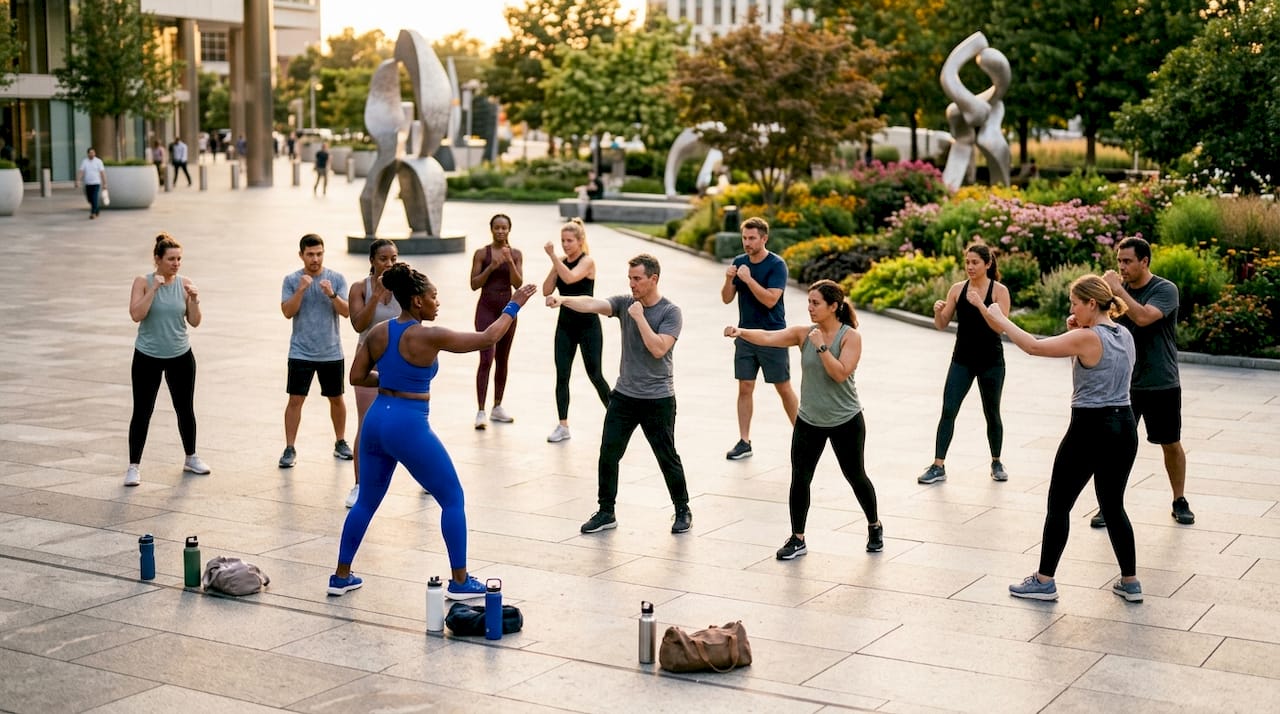
Self-defense for at-risk groups is a multidimensional practice that combines physical techniques, verbal de-escalation, and trauma-informed training to enhance personal safety and confidence. Vulnerable communities face disproportionate threats: LGBTQ individuals are 5 times more likely to suffer violent crime than non-LGBTQ counterparts. That gap makes tailored personal safety training not a luxury but a necessity. Effective programs, like those offered by Cvpsd, treat self-defense as a full toolkit covering awareness, verbal skills, and physical response rather than a single fighting technique.
1. Self-defense for at-risk groups: physical techniques that work
The most effective physical self-defense training prioritizes prevention and escape over fighting. Programs that dedicate 80% of training time to avoidance and escape strategies produce better real-world outcomes than those focused on strikes alone. That emphasis matters because most dangerous situations can be exited before physical contact occurs.
Core physical skills for at-risk individuals include:
Wrist and grab releases. A simple outward rotation toward the attacker’s thumb breaks most grip holds without requiring strength.
Creating distance. A palm strike to the chest or a knee to the midsection creates space to run. Running is always the goal.
Protecting vital areas. Covering the head, tucking the chin, and keeping the hands up reduces injury during an unavoidable encounter.
Using the environment. A bag, chair, or even a door can serve as a barrier between you and a threat.
Balance and posture. A stable, shoulder-width stance makes it harder to be pushed or pulled off your feet.
Stress-tested drills are non-negotiable. Training must simulate adrenaline effects so your body knows what to do when fear takes over. A technique practiced only in calm conditions often fails under real pressure.
Pro Tip: Practice your most important physical skills under mild stress, such as after a short sprint, to condition your nervous system for real-world conditions.
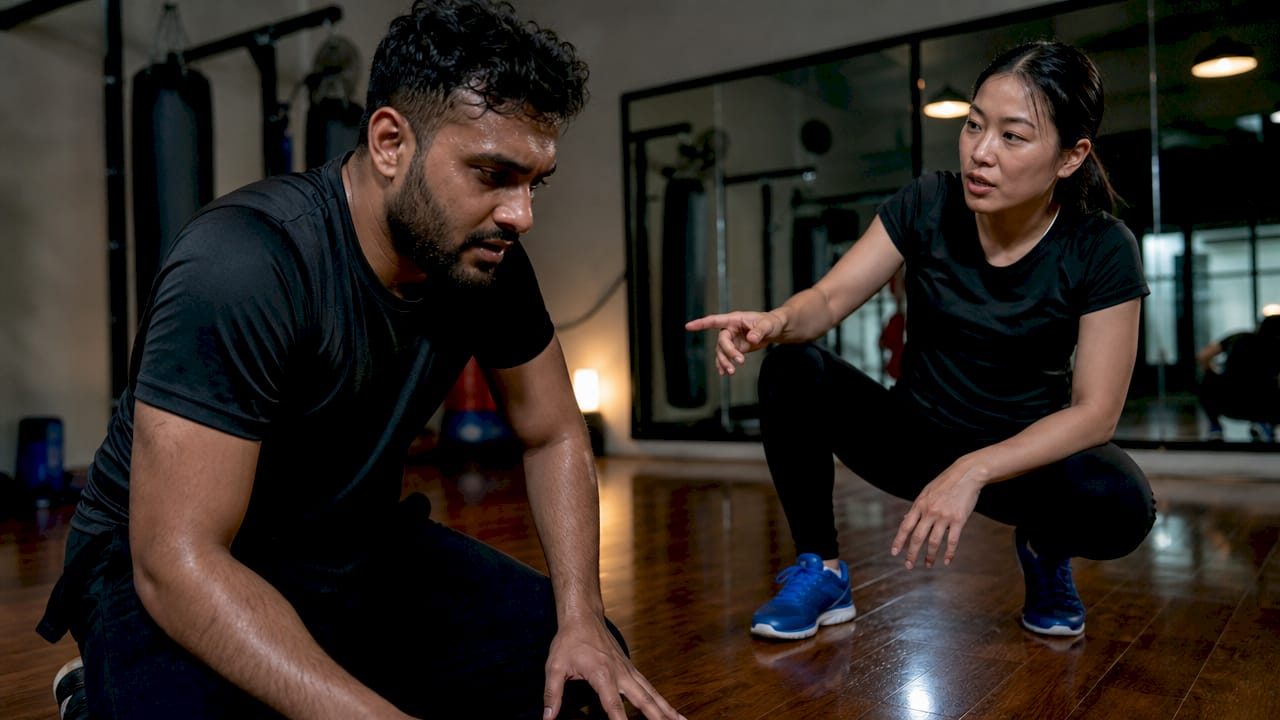
A complete self-defense system accounts for every body type and skill level. Physical ability varies widely across at-risk communities, and good programs adapt techniques accordingly.
2. Verbal and mental tactics that reduce threat
Verbal skills are the first line of defense in most dangerous situations. Clear, assertive commands like “Stop” and “Back up” interrupt an aggressor’s focus and signal that you are not an easy target. That signal alone changes the dynamic of many encounters.
Mental readiness matters just as much as physical skill. Key verbal and mental practices include:
Situational awareness. Scan your environment before entering any space. Notice exits, potential threats, and people who seem out of place. Pre-situational awareness is your first line of defense.
Trusting gut instincts. Discomfort is data. If a situation feels wrong, act on that feeling rather than dismissing it as paranoia.
Mental rehearsal. Visualize how you would respond to a threat in specific locations you frequent. This rehearsal reduces hesitation under stress.
Boundary-setting language. Practice saying “No” and “Leave me alone” in a firm, calm voice. Volume and clarity matter more than aggression.
De-escalation phrasing. Phrases like “I don’t want any trouble” combined with open hands and a step back can defuse tension without surrender.
The voice is a genuine safety tool, not a last resort. Cvpsd’s verbal de-escalation training series builds these skills systematically, pairing them with physical techniques for a complete response framework.
Self-defense training reduces fear and increases options, producing psychological benefits that extend well beyond crisis moments. Confidence built in training carries into everyday life.
3. What trauma-informed self-defense programs look like
Trauma-informed programs treat psychological safety as equal to physical skill. Consent-based training allows participants to opt out of any drill without explanation and modifies physical contact based on individual comfort. That structure makes training accessible to survivors who might otherwise avoid it entirely.
When evaluating a program, look for these qualities:
Opt-out policies. Every drill should have a non-contact alternative. Participants should never feel pressured to engage physically.
Qualified instructors. Look for instructors trained in both self-defense and trauma-sensitive facilitation. Certification from recognized bodies adds accountability.
Community support structures. Good programs build peer networks, not just individual skills. Group cohesion improves learning and recovery.
Verbal skills integration. Physical techniques taught without verbal and mental components produce incomplete training.
Culturally responsive curriculum. Programs designed for specific communities, such as indigenous youth or LGBTQ adults, address real and specific threat patterns.
Pro Tip: Ask any program director directly: “What is your opt-out policy for physical drills?” A clear, immediate answer signals a genuinely trauma-informed approach.
Empowerment self-defense programs for indigenous girls have been shown to reduce sexual violence by 80% while increasing confidence and educational commitment. That outcome reflects what happens when curriculum design matches community need precisely.
4. How community strengthens personal safety training
Group-based training produces outcomes that solo practice cannot replicate. Community-based self-defense classes reduce isolation for marginalized individuals and build protective networks that extend beyond the training room. Knowing others who share your experience and your skills changes how you move through the world.
Peer accountability keeps people in training long enough to build real competence. A participant who might skip a solo session often shows up for a group class. That consistency compounds over time into genuine skill.
Bystander intervention is one of the most underused tools in at-risk community protection. When trained community members recognize and interrupt threatening situations, they extend safety to people who are not in the room. Cvpsd’s resource on bystander verbal intervention outlines how the voice functions as a protective tool in public spaces.
“The profound impact of self-defense is often enhanced physical autonomy and reduced anxiety, with classes acting as community spaces that combat isolation and build lasting protective networks for marginalized individuals.”
Shared experience also accelerates learning. When participants practice with people who understand their specific vulnerabilities, drills feel more relevant and retention improves. That relevance is why community-specific programs consistently outperform generic ones.
For LGBTQ individuals navigating specific environments, resources like this LGBTQIA+ safety guide offer practical, community-centered protective strategies that complement formal training.
5. Choosing the right self-defense training program
Not all programs are equal. Evaluating training options across consistent criteria helps you find the right fit for your needs, background, and schedule.
Criteria | What to look for |
Curriculum focus | At least 70–80% prevention, awareness, and escape; physical strikes as a last resort |
Trauma-informed approach | Explicit opt-out policies, consent-based contact, and trauma-sensitive instructors |
Instructor qualifications | Verified credentials in self-defense and, ideally, trauma-informed facilitation |
Accessibility | Adaptive techniques for varied physical abilities; online and in-person options |
Cultural responsiveness | Curriculum designed for or with the specific community being served |
Program duration | Multi-week formats build retention; single workshops are useful supplements, not replacements |
Legal awareness | Programs that address self-defense and the law reduce risk of legal consequences |
Cost and location | Sliding-scale fees and community-based venues remove barriers to access |
Program duration deserves special attention. Structured 8-week curriculums that combine physical and mental skills have reached over 2,000 participants across 22 countries. That scale reflects what consistent, structured training can accomplish when it is designed for real communities.
Single-session workshops build awareness but rarely produce durable physical skills. Use them to evaluate an instructor or program, then commit to a multi-week format for lasting results.
Key takeaways
Effective self-defense for at-risk groups requires trauma-informed curriculum, practical physical and verbal skills, and community support working together to build lasting safety and confidence.
Point | Details |
Prevention comes first | Programs that prioritize escape and avoidance produce better outcomes than those focused on fighting. |
Verbal skills are foundational | Assertive commands and de-escalation language reduce threat before physical contact occurs. |
Trauma-informed design matters | Consent-based training with opt-out options makes programs accessible to survivors. |
Community amplifies results | Group training reduces isolation and builds protective networks beyond the individual. |
Match program to community | Culturally specific curriculum consistently outperforms generic self-defense training. |
What I’ve learned from working with at-risk communities
Most people come to self-defense training looking for a technique. What they leave with is something harder to name but more durable: a shift in how they read a room, how they carry themselves, and how quickly they trust their own instincts.
The biggest mistake I see is treating self-defense as a fighting system. It is not. Think of it the way you think of a seatbelt. It does not prevent accidents. It expands your options when one happens. That reframe changes everything about how people train and what they take home.
Accessibility is the issue that does not get enough attention. A program that requires high physical fitness, ignores trauma histories, or costs more than a week’s groceries is not a program for at-risk communities. It is a program that excludes them while using their name. The best training I have seen meets people exactly where they are, adapts to their bodies and their histories, and builds from there.
Community is not a bonus feature. It is the mechanism. Participants who train alongside people who share their vulnerabilities retain skills longer, show up more consistently, and report greater confidence in daily life. That is not a soft outcome. It is the point.
Small, consistent effort beats a single intensive session every time. Thirty minutes of practiced awareness and verbal boundary-setting each week builds more real-world safety than a one-day seminar ever will.
Cvpsd’s training programs for at-risk communities
Cvpsd is a 501©(3) non-profit that provides evidence-based personal safety training specifically designed for vulnerable and marginalized communities.
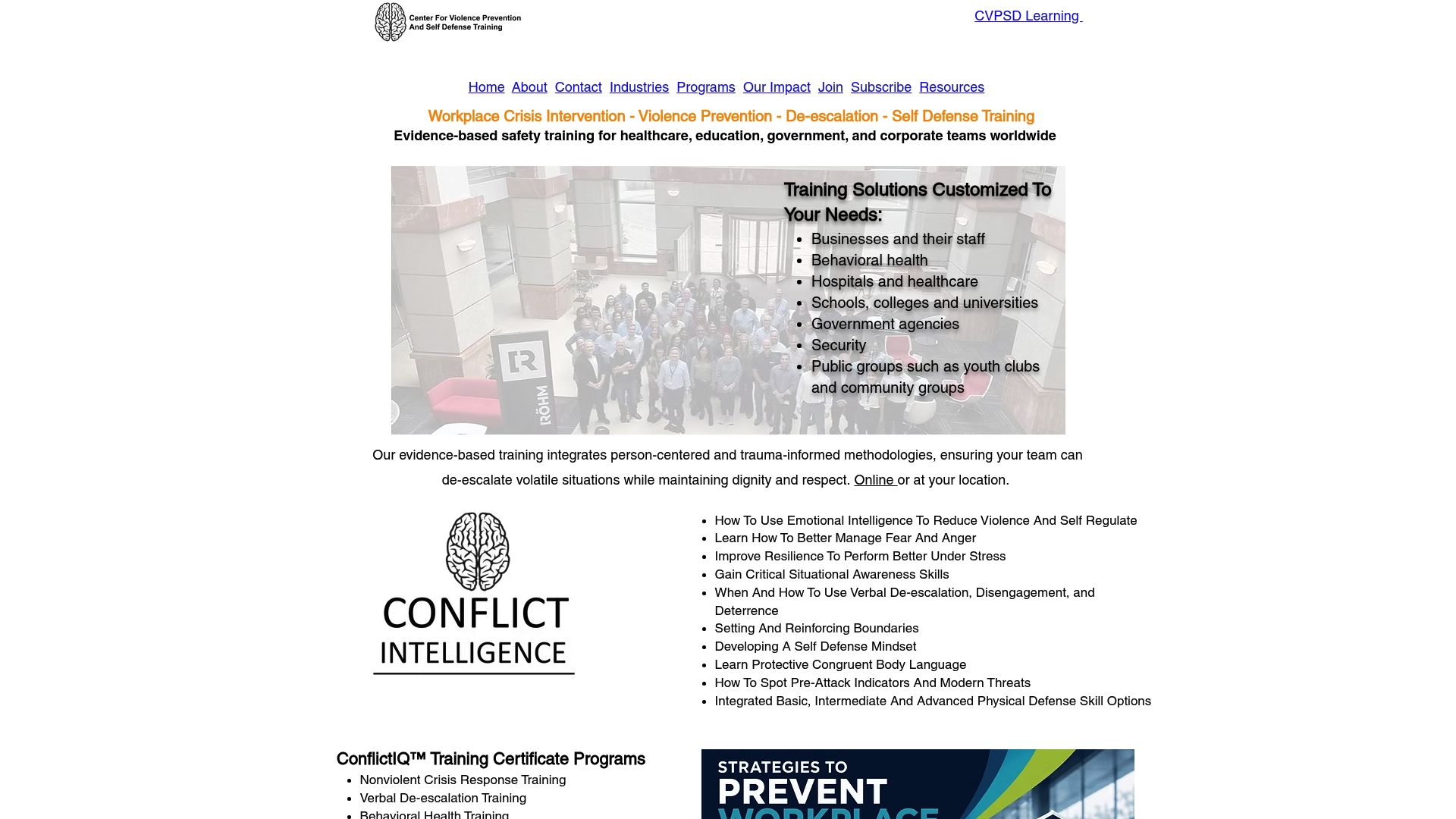
Programs combine Crisis Intervention Techniques, de-escalation solutions, behavior analysis, and physical self-defense skills in formats that are trauma-informed and legally compliant. Cvpsd partners with schools, nonprofits, community groups, and government agencies to bring training directly to the communities that need it most. Both online and in-person options are available, removing barriers of location and schedule. Visit Cvpsd’s training programs to find the right program for your community or organization.
FAQ
What is self-defense for at-risk groups?
Self-defense for at-risk groups is personal safety training designed specifically for communities that face elevated violence risk, including women, LGBTQ individuals, youth, seniors, and minorities. It combines physical techniques, verbal de-escalation, and trauma-informed methods to build safety and confidence.
How does trauma-informed self-defense differ from standard training?
Trauma-informed programs include explicit opt-out policies, consent-based physical contact, and instructors trained in trauma sensitivity. Standard programs often lack these features, which can retraumatize survivors rather than support them.
Do self-defense classes actually reduce violence?
Yes. Empowerment self-defense programs for indigenous youth have been shown to reduce sexual violence by 80% while increasing confidence. Training also reduces fear and improves psychological well-being beyond crisis situations.
How long does it take to learn effective self-defense?
Multi-week programs of 6–8 weeks build durable physical and verbal skills. Single workshops raise awareness but rarely produce skills that hold under stress.
What should I look for in a self-defense program as an LGBTQ individual?
Look for programs with explicit trauma-informed policies, instructors experienced with LGBTQ communities, and curriculum that addresses hate-crime scenarios. LGBTQ individuals face nine times the risk of violent hate crimes, making community-specific training the most relevant choice.
Recommended


