
Types of Personal Safety Skills: A Practical Guide

Updated: Jul 30
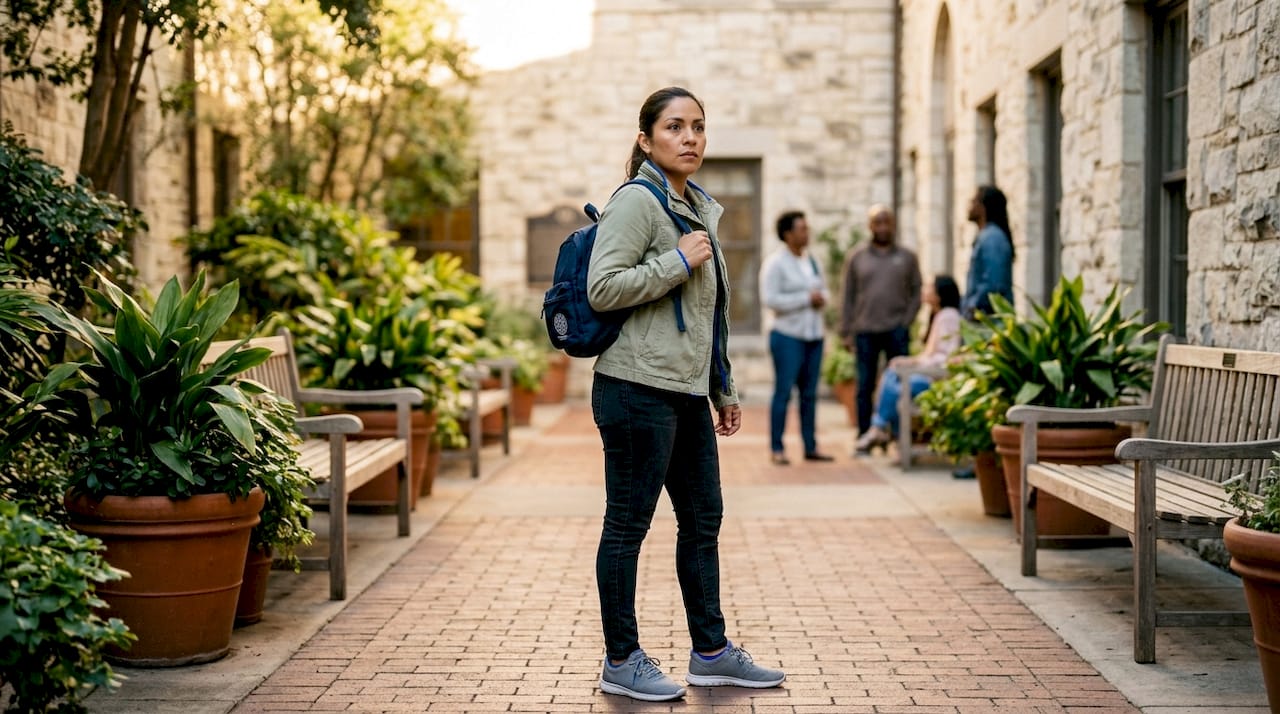
Personal safety skills are the essential abilities that help individuals recognize, prevent, and respond to threats in daily life. The types of personal safety skills span four core categories: situational awareness, physical defense, emergency preparedness, and assertive communication. Mastering all four gives you a layered defense that works before, during, and after a threatening situation. CVPSD, a 501©(3) nonprofit, builds these skills in communities through evidence-based training that meets state and local laws.
1. Types of personal safety skills: why they matter
Personal safety skills are not a single technique. They form an interconnected system where each category reinforces the others. A person with strong awareness rarely needs physical defense. A person with solid emergency preparedness rarely panics in a crisis. The goal is to reduce your vulnerability at every stage of a potential threat, from the moment you enter a space to the moment you leave it safely.
Situational awareness is the first line of defense in personal safety. It prevents many threats before any physical engagement becomes necessary. That single fact explains why awareness training is the foundation of every credible personal safety program.
2. Situational awareness and safety awareness practices
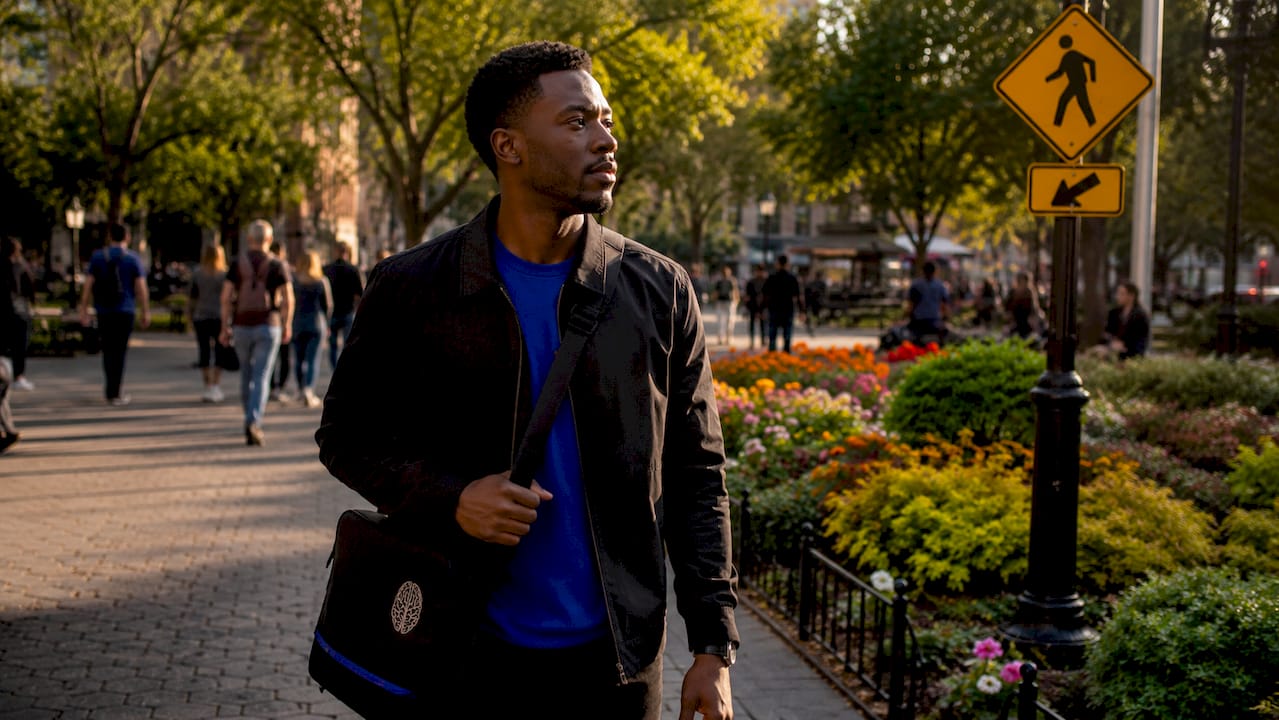
Situational awareness means actively observing your environment, reading the behavior of people around you, and identifying exits and potential hazards before a threat develops. It is not paranoia. It is a trained habit that keeps your brain one step ahead of danger.
Confident, alert body language deters attackers. Self-defense training increases self-efficacy and confidence, reducing the likelihood of being targeted by attackers who seek vulnerable individuals. Attackers consistently choose targets who appear distracted or unaware.
Key safety awareness habits to build:
Scan every new environment for exits and potential cover when you enter.
Put your phone away in parking lots, transit stations, and unfamiliar areas.
Trust your instincts. Discomfort is data, not drama.
Sit with your back to a wall in restaurants and public spaces.
Note who is near you and whether their behavior changes when you move.
A personal safety baseline, meaning consistent habits of awareness and preparedness, is more effective than isolated techniques. Monthly routine evaluations help you adapt as your lifestyle changes.
Pro Tip: Set a monthly calendar reminder to review your awareness habits. Ask yourself: Am I checking exits? Am I distracted on my phone in public? Small adjustments compound into strong habits over time.
3. Basic self-defense skills and physical personal safety techniques
Physical self-defense is the category most people think of first, but it is only one layer of a complete personal security strategy. The goal of physical defense is not to win a fight. The goal is to create enough distance and time to escape.
Simple gross motor strikes like open-palm strikes and groin kicks are more effective and safer than punches, which risk hand injury. Under adrenaline stress, fine motor skills deteriorate rapidly. Gross motor movements, the large muscle actions your body performs naturally, remain reliable when your heart rate spikes.
The four beginner techniques every person should practice:
Open-palm strike. Drive the base of your palm into an attacker’s nose or chin. It delivers strong force while protecting your fingers and wrist from injury.
Groin kick. A direct kick to the groin disrupts an attacker’s balance and focus. It requires minimal training to execute under stress.
Wrist release. Rotate your wrist toward the attacker’s thumb, the weakest point of their grip, and pull sharply. Practice this slowly until the movement is automatic.
Eye defense. Fingers or thumbs directed at an attacker’s eyes create an immediate flinch response. This buys seconds, which is enough time to run.
Staying upright during an assault improves survival chances significantly. Ground defense should be treated as a last resort, used only to create distance and regain your feet. Mobility is your most valuable asset in a physical confrontation.
Complex martial arts techniques offer depth but require months or years of training. Beginners should prioritize simple, reliable moves that function well under stress. CVPSD’s beginner self-defense workshops focus on exactly these gross motor principles, building confidence alongside technique.
Pro Tip: Practice your three or four core moves slowly and repeatedly until they feel automatic. Speed comes from repetition, not effort. One technique you own is worth ten you have only read about.
4. Emergency preparedness training for home and public safety
Emergency preparedness training covers the skills that protect you when a crisis is already unfolding. These skills reduce harm when awareness and defense are no longer enough to prevent an incident.
ABC-rated fire extinguishers are the standard for home use. They handle wood, paper, flammable liquids, and electrical fires. Knowing how to use one correctly, pulling the pin, aiming at the base of the flame, and sweeping side to side, takes less than two minutes to learn and can save a home.
Gas leaks and electrical sparks are leading causes of fires after disasters. Knowing how to shut off your home’s natural gas, electricity, and water valves prevents secondary disasters from compounding an initial emergency. Walk through your home and locate each shutoff point before you ever need it.
First aid and CPR certification is available through organizations like the American Red Cross. Certification also protects you under Good Samaritan laws, which shield trained responders from liability when they act in good faith during an emergency.
Skill category | Core action | Why it matters |
Fire safety | Use ABC extinguisher correctly | Stops small fires before they spread |
Utility shutoff | Locate and close gas, water, electric valves | Prevents secondary disasters |
Emergency medical | First aid and CPR certification | Provides immediate response before help arrives |
Public space safety | Identify safe routes and exits | Reduces harm in active threat situations |
Personal alarm use | Carry and activate a loud alarm | Attracts attention and deters attackers |
Public safety awareness extends beyond the home. Identifying safe routes before you need them, recognizing exits in crowded venues, and knowing when to call 911 versus when to move are all practical skills that belong in your personal security strategy.
5. Assertive communication and de-escalation techniques
Assertive communication is a personal safety skill that stops many conflicts before they become physical. It is not aggression. Assertive communication means stating your boundaries clearly, calmly, and without apology.
De-escalation works by reducing the emotional temperature of a confrontation. A calm, steady voice signals control. Raised voices and aggressive posture signal threat, which escalates the other person’s fight-or-flight response and makes violence more likely.
Verbal strategies that reduce tension:
Use a low, even tone. Speak slowly and clearly.
Acknowledge the other person’s emotion without agreeing with their behavior. “I can see you’re frustrated” costs nothing and often defuses anger.
Set a clear boundary once. “I need you to step back.” Repeat it calmly if ignored.
Avoid commands that feel like challenges. “Calm down” rarely calms anyone. “Let’s slow this down” works better.
Create physical distance when possible. Space reduces the perceived threat and gives both parties room to think.
Assertive communication has limits. When a person is under the influence of substances, experiencing a mental health crisis, or has already made physical contact, verbal strategies alone are not sufficient. At that point, physical safety measures and escape become the priority. CVPSD’s de-escalation training programs teach practitioners exactly where that line is and how to respond on both sides of it.
6. Developing a personal safety plan and integrating your skills
A personal safety plan combines all four skill categories into a consistent routine that fits your actual life. No single skill works in isolation. Awareness prevents most threats. Communication resolves many that awareness misses. Physical defense handles what communication cannot. Emergency preparedness covers the aftermath.
Effective self-defense training combines situational awareness, de-escalation, simple physical techniques, and scenario-based practice. Training must prepare you for stress and unpredictability to be effective. That is why scenario practice, not just technique drilling, is a core part of quality programs.
Skill category | Primary benefit | Typical training effort |
Situational awareness | Prevents most threats before contact | Daily habit, low time investment |
Physical self-defense | Creates escape opportunity | 4–8 hours of beginner instruction |
Emergency preparedness | Reduces harm during active crises | One-time certification, annual review |
Assertive communication | Defuses conflict verbally | Workshop or practice with a partner |
Prioritize skills based on your environment. A person who commutes through a high-traffic urban area benefits most from awareness and communication training first. A homeowner in a rural area may prioritize emergency preparedness and home hardening. Approximately 50% of residential burglaries occur through unlocked entry points, which means simple physical hardening like deadbolts and trimmed shrubbery is itself a personal safety skill.
Post-encounter awareness to scan for secondary threats and identify safe exits is a critical skill often omitted in basic self-defense classes. After any incident, your brain wants to focus on what just happened. Trained individuals scan forward, not backward.
Pro Tip: Write your personal safety plan on paper. List one action for each of the four skill categories that you will practice this month. A written plan is three times more likely to become a habit than a mental note.
Key takeaways
The most effective personal safety approach combines situational awareness, physical defense, emergency preparedness, and assertive communication into a consistent, practiced routine.
Point | Details |
Awareness prevents most threats | Situational awareness stops danger before physical defense is ever needed. |
Gross motor strikes work under stress | Open-palm strikes and groin kicks remain reliable when adrenaline spikes. |
Emergency skills reduce harm | ABC extinguisher use, utility shutoffs, and CPR certification limit crisis damage. |
Communication defuses conflict | Calm, assertive language resolves many confrontations before they turn physical. |
Integration beats isolation | A written plan combining all four skill categories outperforms any single technique. |
Why most people underestimate the power of confidence
The most common misconception I encounter is that personal safety is primarily about fighting. People enroll in a single self-defense class, learn a wrist release, and feel prepared. That is not preparation. That is a false sense of security built on one tool in a four-tool kit.
What actually deters most attackers is confidence. Not muscle. Not a black belt. Confidence. An alert person who walks with purpose, makes eye contact, and carries themselves with calm authority is a far less appealing target than someone distracted and hunched over a phone. Confidence and assertiveness cultivated through self-defense education reduce anxiety and improve perceived control in threatening situations. That psychological shift is the real product of good training.
The second misconception is that safety training is a one-time event. Skills decay without practice. Awareness habits erode when life gets busy. The people I have seen stay genuinely safe over years are the ones who treat personal safety as an ongoing practice, not a completed course.
Start with one skill category. Build the habit. Then add the next. Gradual, consistent progress beats an intensive weekend workshop you never revisit. Will
CVPSD offers training that builds real-world safety skills
Personal safety education works best when it is practical, accessible, and grounded in real scenarios. CVPSD provides evidence-based training in crisis intervention, de-escalation, behavior analysis, and physical self-defense for individuals, schools, nonprofits, and community organizations.
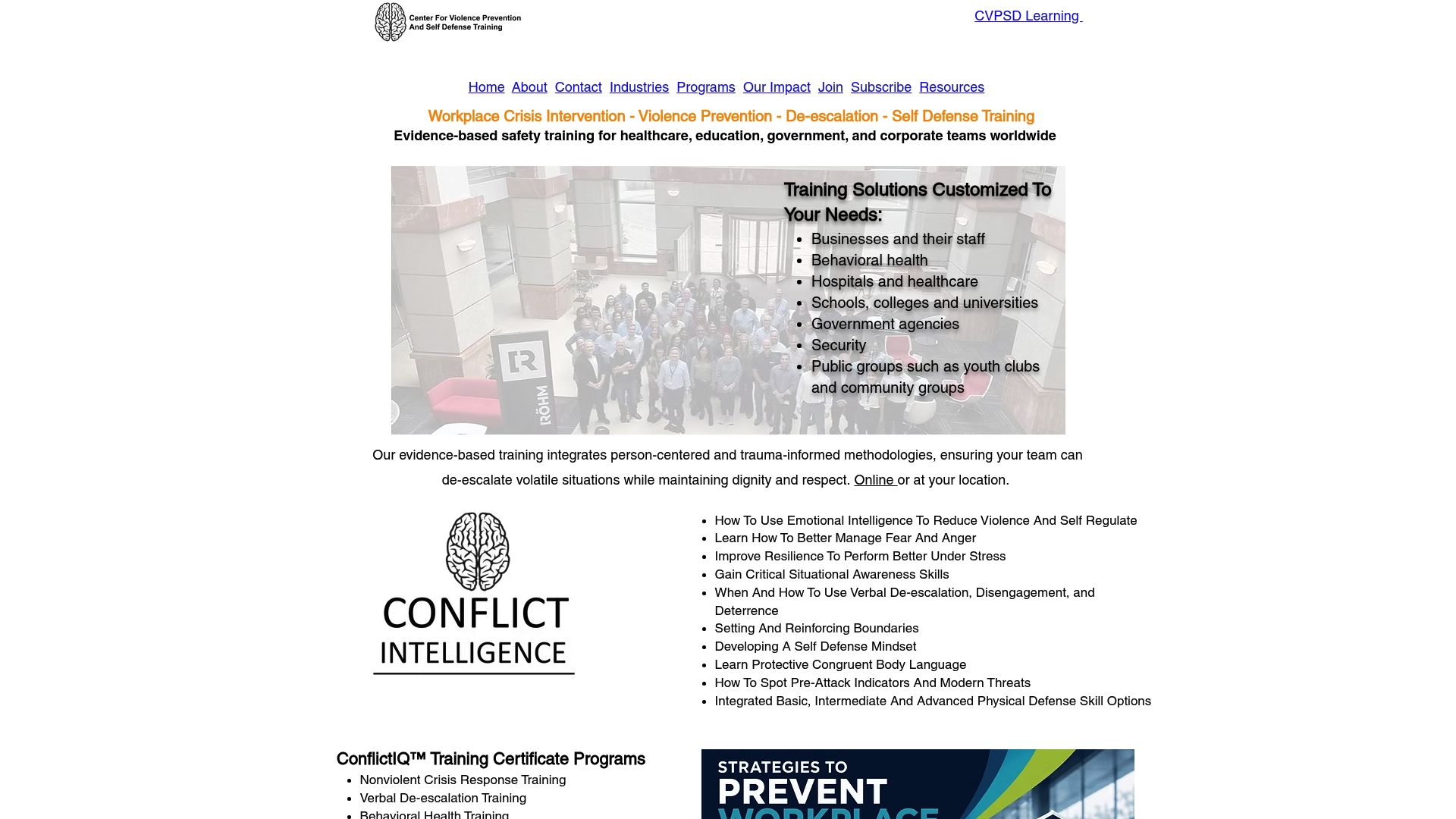
Programs are available online and in person, and all training meets state and local laws. Whether you are looking to build foundational safety skills for your community or deepen your existing knowledge, CVPSD has a program designed for your situation. Visit CVPSD’s full program listings to find training near you and take the next step toward building a complete personal safety skill set.
FAQ
What are the main types of personal safety skills?
The four main types are situational awareness, physical self-defense, emergency preparedness, and assertive communication. Each category addresses a different stage of a potential threat.
What self-defense moves work best for beginners?
Open-palm strikes, groin kicks, wrist releases, and eye defense are the most reliable beginner techniques. These gross motor movements remain effective under adrenaline stress, unlike complex martial arts techniques that require years of practice.
How does situational awareness prevent threats?
Situational awareness keeps you alert to exits, behavioral cues, and environmental hazards before a threat develops. Confident, aware individuals are less likely to be targeted because attackers seek distracted or vulnerable people.
What emergency preparedness skills should every person know?
Every person should know how to use an ABC-rated fire extinguisher, shut off home utilities, and perform basic first aid and CPR. The American Red Cross offers CPR certification that also provides Good Samaritan legal protection.
How often should I review my personal safety plan?
A monthly review of your awareness habits and safety routines is the recommended standard. Lifestyle changes, new environments, and seasonal factors all affect which skills need the most attention at any given time.
Recommended


